
Community Sentiment
Do you agree?
Do you agree with the AI automation risk score calculated for this occupation?
AI Automation Index
Task-level automation exposure for Firefighters: 30 O*NET tasks scored against their work activities, plus the simulator.
Automation Exposure
30 of 30 tasks scored
Median Salary
BLS OEWS, May 2025 — this exact occupation
Employment Level
345,990 people hold this job — size, not growth
Projected 2025–35
26,800 openings a year · BLS line item
BLS OEWS publishes 51 state estimates for this occupation. Each is its own survey estimate, not the national median adjusted for local prices.
$33,120 – $100,960
Highest medians
Lowest medians
State figures come from the 33-2011 row in the May 2025 state panel. States where the estimate was suppressed or too small to publish are absent.
Each task is mapped to its work activities, scored for AI automation potential, and weighted by how important those activities are to the job. These are the components.
Importance-weighted mean of the scored tasks. This is the headline index.
Share of weighted tasks in hands-on or machine-operating work activities.
Share in analysis, decisions, teaching, directing, advising, or caring for others.
Share in documenting, recording, and administrative activities.
Share of weighted tasks O*NET rewrote in a recent update. Reported, not folded into the score.
O*NET's own rating of how serious an uncorrectable mistake would be here — respondents, not us. Deliberately not in the index: the score measures what AI can do with the task content, and multiplying it by stakes would be our judgment dressed as data.
30 tasks for this occupation, weighted by work-activity importance. Shares below are of total task weight, not task count.
1 tasks
7 tasks
22 tasks
Move your week away from the high-exposure tasks and toward the ones that need judgment. The simulator recalculates the index as you shift the mix.
Simulate Upskilling →Rescue survivors from burning buildings, accident sites, and water hazards.
situated mobility — Rescue requires physical presence in hazardous environments
Administer first aid and cardiopulmonary resuscitation to injured persons or provide emergency medical care such as basic or advanced life support.
physical manipulation — Hands-on emergency resuscitation and physical intervention
Dress with equipment such as fire-resistant clothing and breathing apparatus.
decision support — Tool selection needs context; human decides and procures
Move toward the source of a fire, using knowledge of types of fires, construction design, building materials, and physical layout of properties.
visual inspection — Locating fires requires physical presence and vision
Drive and operate fire fighting vehicles and equipment.
physical manipulation — Firefighting equipment operated in hazardous physical space
Respond to fire alarms and other calls for assistance, such as automobile and industrial accidents.
situated mobility — Emergency response needs physical action in the world
Search to locate fire survivors.
situated mobility — Rescue requires physical presence in hazardous environments
Operate pumps connected to high-pressure hoses.
physical manipulation — Firefighting equipment operated in hazardous physical space
Maintain contact with fire dispatchers at all times to notify them of the need for additional firefighters and supplies, or to detail any difficulties encountered.
interpersonal — Emergency request requires live accountable action
Extinguish flames and embers to suppress fires, using shovels or engine- or hand-driven water or chemical pumps.
physical manipulation — Firefighting equipment operated in hazardous physical space
Maintain knowledge of current firefighting practices by participating in drills and by attending seminars, conventions, and conferences.
information retrieval — AI supports study; certification requires human
Select and attach hose nozzles, depending on fire type, and direct streams of water or chemicals onto fires.
physical manipulation — Hands-on hose preparation
Collaborate with other firefighters as a member of a firefighting crew.
interpersonal — Coordination needs live negotiation and context
Train new employees to control and suppress fires.
interpersonal — Operational procedure training needs live demonstration
Position and climb ladders to gain access to upper levels of buildings, or to rescue individuals from burning structures.
physical manipulation — Firefighting equipment operated in hazardous physical space
Create openings in buildings for ventilation or entrance, using axes, chisels, crowbars, electric saws, or core cutters.
physical manipulation — Firefighting equipment operated in hazardous physical space
Participate in fire drills and demonstrations of fire fighting techniques.
physical manipulation — Demonstrating techniques is physical, hands-on work
Assess fires and situations and report conditions to superiors to receive instructions, using two-way radios.
interpersonal — Live radio relay of incidents is real-time human
Inspect fire sites after flames have been extinguished to ensure that there is no further danger.
physical manipulation — Physical debris examination is hands-on
Patrol burned areas after fires to locate and eliminate hot spots that may restart fires.
visual inspection — Locating fires requires physical presence and vision
Take action to contain any hazardous chemicals that could catch fire, leak, or spill.
physical manipulation — Property protection requires physical action in danger
Prepare written reports that detail specifics of fire incidents.
text generation — Incident reports drafted from facts; human reviews
Protect property from water and smoke, using waterproof salvage covers, smoke ejectors, and deodorants.
physical manipulation — Property protection requires physical action in danger
Inspect buildings for fire hazards and compliance with fire prevention ordinances, testing and checking smoke alarms and fire suppression equipment as necessary.
visual inspection — Physical fire-code walkthrough requires presence and judgment
Collaborate with police to respond to accidents, disasters, and arson investigation calls.
interpersonal — Live incident response with agencies is human-led
Salvage property by removing broken glass, pumping out water, and ventilating buildings to remove smoke.
physical manipulation — Property protection requires physical action in danger
Clean and maintain fire stations and fire fighting equipment and apparatus.
physical manipulation — Hands-on firefighting equipment maintenance
Inform and educate the public on fire prevention.
text generation — Public education materials draftable; live outreach human
Participate in physical training activities to maintain a high level of physical fitness.
situated mobility — Physical training requires a human body
Orient self in relation to fire, using compass and map, and collect supplies and equipment dropped by parachute.
visual inspection — Locating fires requires physical presence and vision
Bloggers & authors: Embed this interactive calculator directly in your articles or comparison guides. It loads dynamically via a responsive iframe (auto-resizing to prevent double scrollbars) and provides a direct, high-value tool for your audience.
<div class="giniloh-calculator-embed" data-calculator="firefighters"></div>
<script src="https://giniloh.com/embed.js" async></script> Community Sentiment
Do you agree with the AI automation risk score calculated for this occupation?
Method
Check: across the 910 occupations where O*NET also rates how far machine speed sets the pace, this index moves opposite to it (Spearman ρ = -0.49). The more a job is paced by equipment, the less of its task content AI can address — the relationship you would expect if the scoring is working.
Sources · O*NET 31.0 (task records to 08/2026) · BLS OEWS May 2025 · BLS projections 2025-2035 · rubric v2.1 · tasks for O*NET, not a forecast
See the full method →Related Article
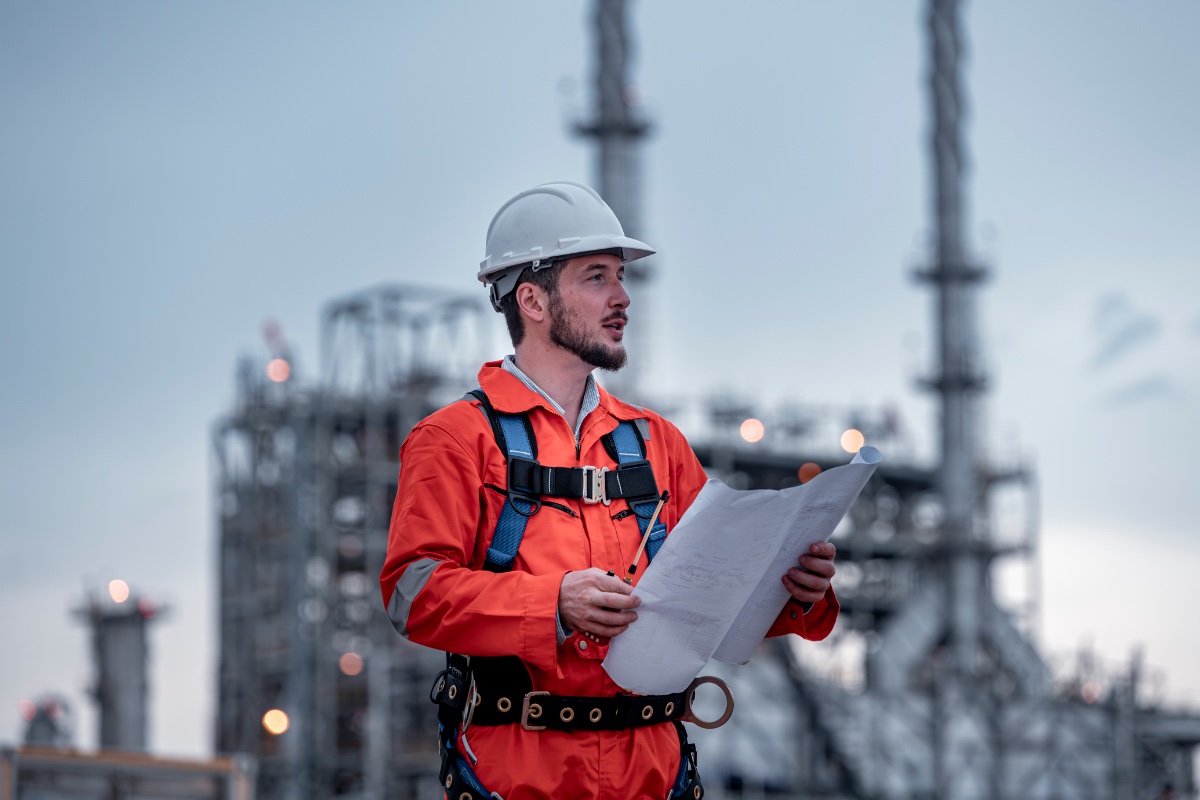
Worried robots are coming for your paycheck? You’re not alone—but the real story is far more hopeful. This guide cuts through the scare headlines to reveal exactly where smart, sustainable career opportunities exist right now. We’ve curated a list of true ai proof jobs—roles in healthcare, skilled trades, and cybersecurity that not only survive automation but thrive because of human judgment and empathy. You’ll get specific, money-making data on projected growth (the BLS says wind turbine technicians, for instance, will grow 44% by 2032), real salary ranges from active job listings, and a simple self-assessment quiz to identify your own most resilient path. Plus, we name companies hiring today and the niche job boards they use. Stop worrying and start planning—your secure career is closer than you think.
Read Article ->