
Community Sentiment
Do you agree?
Do you agree with the AI automation risk score calculated for this occupation?
AI Automation Index
Task-level automation exposure for Drywall and Ceiling Tile Installers: 24 O*NET tasks scored against their work activities, plus the simulator.
Automation Exposure
24 of 24 tasks scored
Median Salary
BLS OEWS, May 2025 — this exact occupation
Employment Level
83,080 people hold this job — size, not growth
Projected 2025–35
6,600 openings a year · BLS line item
BLS OEWS publishes 50 state estimates for this occupation. Each is its own survey estimate, not the national median adjusted for local prices.
$28,420 – $104,830
Highest medians
Lowest medians
State figures come from the 47-2081 row in the May 2025 state panel. States where the estimate was suppressed or too small to publish are absent.
Each task is mapped to its work activities, scored for AI automation potential, and weighted by how important those activities are to the job. These are the components.
Importance-weighted mean of the scored tasks. This is the headline index.
Share of weighted tasks in hands-on or machine-operating work activities.
Share in analysis, decisions, teaching, directing, advising, or caring for others.
Share in documenting, recording, and administrative activities.
Share of weighted tasks O*NET rewrote in a recent update. Reported, not folded into the score.
O*NET's own rating of how serious an uncorrectable mistake would be here — respondents, not us. Deliberately not in the index: the score measures what AI can do with the task content, and multiplying it by stakes would be our judgment dressed as data.
24 tasks for this occupation, weighted by work-activity importance. Shares below are of total task weight, not task count.
1 tasks
1 tasks
22 tasks
Move your week away from the high-exposure tasks and toward the ones that need judgment. The simulator recalculates the index as you shift the mix.
Simulate Upskilling →Read blueprints or other specifications to determine methods of installation, work procedures, or material or tool requirements.
visual inspection — Specs reading aided, human validates requirements
Measure and mark surfaces to lay out work, according to blueprints or drawings, using tape measures, straightedges or squares, and marking devices.
physical manipulation — Physical measurement for assembly fitting
Cut and screw together metal channels to make floor or ceiling frames, according to plans for the location of rooms or hallways.
physical manipulation — Metal cutting with tools, hands-on
Hang drywall panels on metal frameworks of walls and ceilings in offices, schools, or other large buildings, using lifts or hoists to adjust panel heights, when necessary.
physical manipulation — Crane/hoist operation demands real-time physical control
Fit and fasten wallboard or drywall into position on wood or metal frameworks, using glue, nails, or screws.
physical manipulation — Installing fixtures requires manual dexterity
Measure and cut openings in panels or tiles for electrical outlets, windows, vents, plumbing, or other fixtures, using keyhole saws or other cutting tools.
physical manipulation — Physical measurement for assembly fitting
Cut metal or wood framing and trim to size, using cutting tools.
physical manipulation — Metal cutting with tools, hands-on
Cut fixture or border tiles to size, using keyhole saws, and insert them into surrounding frameworks.
physical manipulation — Masonry cutting requires skilled manual work
Coordinate work with drywall finishers who cover the seams between drywall panels.
decision support — AI aids scheduling; field coordination and conflict resolution human
Trim rough edges from wallboard to maintain even joints, using knives.
physical manipulation — On-site trimming of installed materials
Install horizontal and vertical metal or wooden studs to frames so that wallboard can be attached to interior walls.
physical manipulation — Metal structural installation is hands-on
Fasten metal or rockboard lath to the structural framework of walls, ceilings, or partitions of buildings, using nails, screws, staples, or wire-ties.
physical manipulation — Metal structural installation is hands-on
Install blanket insulation between studs and tack plastic moisture barriers over insulation.
physical manipulation — Insulation installation requires manual fitting
Assemble or install metal framing or decorative trim for windows, doorways, or vents.
physical manipulation — Trim and paneling require precise manual fitting
Scribe and cut edges of tile to fit walls where wall molding is not specified.
physical manipulation — Masonry cutting requires skilled manual work
Hang dry lines to wall moldings to guide positioning of main runners.
physical manipulation — Marking reference points is hands-on site work
Apply or mount acoustical tile or blocks, strips, or sheets of shock-absorbing materials to ceilings or walls of buildings to reduce reflection of sound or to decorate rooms.
physical manipulation — Trim and paneling require precise manual fitting
Remove existing plaster, drywall, or paneling, using crowbars and hammers.
physical manipulation — Hands-on removal of worn materials
Suspend angle iron grids or channel irons from ceilings, using wire.
physical manipulation — Installing fixtures requires manual dexterity
Seal joints between ceiling tiles and walls.
physical manipulation — Applying filler to surfaces is hands-on
Inspect furrings, mechanical mountings, or masonry surfaces for plumbness and level, using spirit or water levels.
physical manipulation — Alignment verification needs physical measurement tools
Install metal lath where plaster applications will be exposed to weather or water, or for curved or irregular surfaces.
physical manipulation — Metal structural installation is hands-on
Nail channels or wood furring strips to surfaces to provide mounting for tile.
physical manipulation — Masonry requires skilled manual labor
Mount tile, using adhesives, or by nailing, screwing, stapling, or wire-tying lath directly to structural frameworks.
physical manipulation — Masonry requires skilled manual labor
Bloggers & authors: Embed this interactive calculator directly in your articles or comparison guides. It loads dynamically via a responsive iframe (auto-resizing to prevent double scrollbars) and provides a direct, high-value tool for your audience.
<div class="giniloh-calculator-embed" data-calculator="drywall-and-ceiling-tile-installers"></div>
<script src="https://giniloh.com/embed.js" async></script> Community Sentiment
Do you agree with the AI automation risk score calculated for this occupation?
Method
Check: across the 910 occupations where O*NET also rates how far machine speed sets the pace, this index moves opposite to it (Spearman ρ = -0.49). The more a job is paced by equipment, the less of its task content AI can address — the relationship you would expect if the scoring is working.
Sources · O*NET 31.0 (task records to 08/2026) · BLS OEWS May 2025 · BLS projections 2025-2035 · rubric v2.1 · tasks for O*NET, not a forecast
See the full method →Related Article
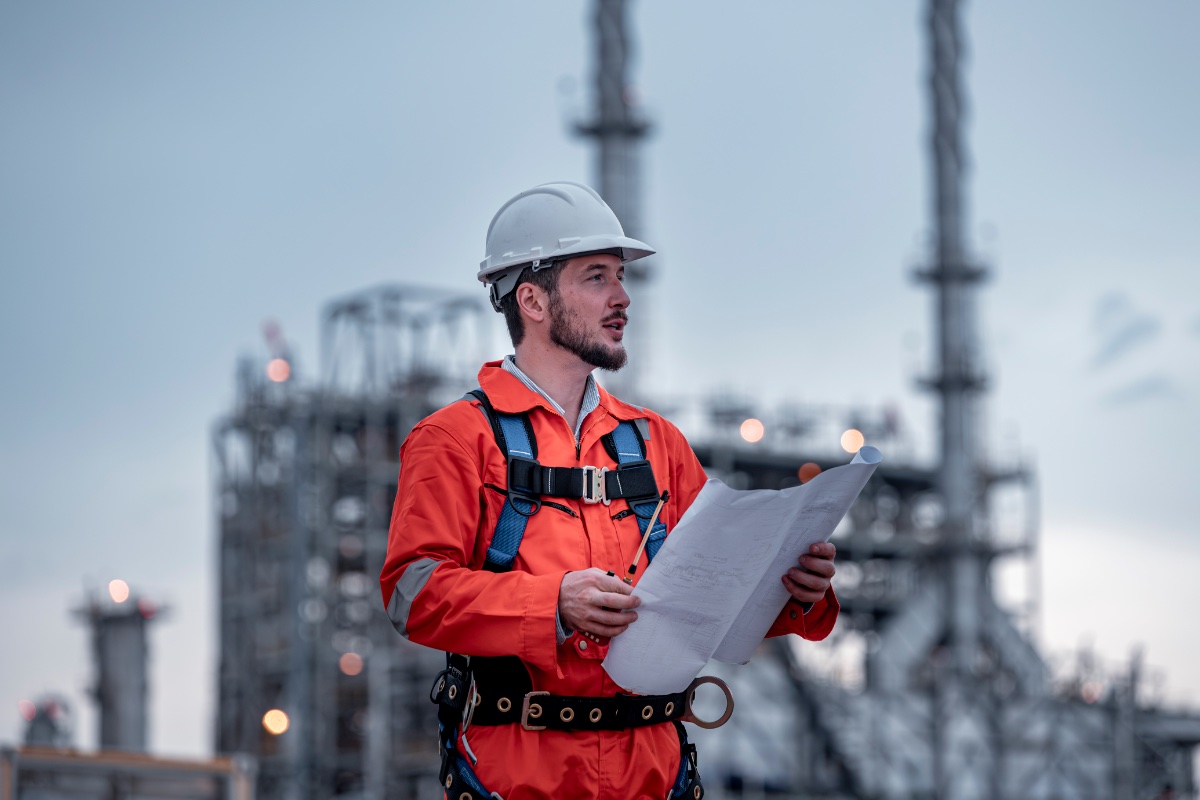
Worried robots are coming for your paycheck? You’re not alone—but the real story is far more hopeful. This guide cuts through the scare headlines to reveal exactly where smart, sustainable career opportunities exist right now. We’ve curated a list of true ai proof jobs—roles in healthcare, skilled trades, and cybersecurity that not only survive automation but thrive because of human judgment and empathy. You’ll get specific, money-making data on projected growth (the BLS says wind turbine technicians, for instance, will grow 44% by 2032), real salary ranges from active job listings, and a simple self-assessment quiz to identify your own most resilient path. Plus, we name companies hiring today and the niche job boards they use. Stop worrying and start planning—your secure career is closer than you think.
Read Article ->