
Gini Loh System Tools

Coffee, per cup

Home Espresso Cost-per-Use Calculator

Is a $3,000 espresso setup cheaper than the café, at the number of cups you actually drink?

The machine, its beans and its upkeep, against what the café charges per cup.

E-E-A-T Verified
Developed & audited by Gini Loh

What this calculator answers, what you need, and what to do with the result

Have this in front of you

  • The full kit price: machine, grinder, and the extras that always follow.
  • Cups a week, counted honestly, including the weeks you are away.
  • What you pay per café drink, and what a kilo of your beans costs.

Words on this page, in plain English

Cost per use
Machine plus grinder plus beans plus upkeep, divided by the drinks it makes before it dies.
Depreciation
What the machine loses in value each year. It does not change the coffee, but it is part of the cost.

What to do with the answer

  1. 01Count the milk, the descaler and the beans you throw away. The kit is never just the machine.
  2. 02If you drink under one cup a day, buy the better café coffee and keep the counter space.
  3. 03Re-run it at the machine’s second-hand price to see what owning actually cost you.

Coffee, per cup

Configure Parameters

Configure your usage patterns and select hardware or outsource providers.

Cups a week5 drinks / wk
5 drinks / wk
Drinks you will really make at home each week.
How many years you keep it3 Years
3 Years
How many years you expect to own and use this setup.
Select Hardware Option
Select Alternative/Cloud Provider
Verdict: OWN / BUY

The machine wins

Your home cup costs less than the café, at the number of drinks you entered. The setup pays for itself before you replace it.

Net Financial Impact

+$60

Calculated over the target 3-year lifespan.

Special Partner Offer

Find Specialty Cafés Near You →

Zero hardware cost, scale up instantly, and only pay for active runtime.

Find Specialty Cafés Near You →

Break-Even Point

35.4 mo

Monthly Diff

$2

Cost breakdown

Ownership Cost/Unit

$6

Outsourced Cost/Unit

$6

Local TCO (Sticker + Upkeep)

$4,620

Outsource TCO

$4,680

Total Expected Runs

780 runs

Total Setup/Maintenance

$450

Embed this calculator on your site ↓

Bloggers & authors: Embed this interactive calculator directly in your articles or comparison guides. It loads dynamically via a responsive iframe (auto-resizing to prevent double scrollbars) and provides a direct, high-value tool for your audience.

<div class="giniloh-calculator-embed" data-calculator="coffee-arbitrage"></div> <script src="https://giniloh.com/embed.js" async></script>

Arbitrage logic

How to evaluate

  1. 1. Select the espresso setup package you plan to buy.
  2. 2. Estimate your weekly usage (realistically!).
  3. 3. Select an alternative provider option to compare.

TCO Formula

Home TCO = Sticker + (Uses × Upkeep) + (5% Annual Maintenance)
FAQ

What upkeep costs are modeled?

Operating costs include premium beans, milk/oat milk, water filtration, and periodic cleaning supplies. We also amortize an annual 5% maintenance budget for parts and servicing.

What is the depreciation rate?

We assume a 35% hardware value depreciation over the lifespan of the machine. The calculator factors this into the ownership TCO.

Should I buy a cheaper machine?

Yes, if your weekly usage is low, a cheaper setup ($500-$1,000) lowers the break-even threshold significantly, but may sacrifice drink consistency and durability.

Related Article

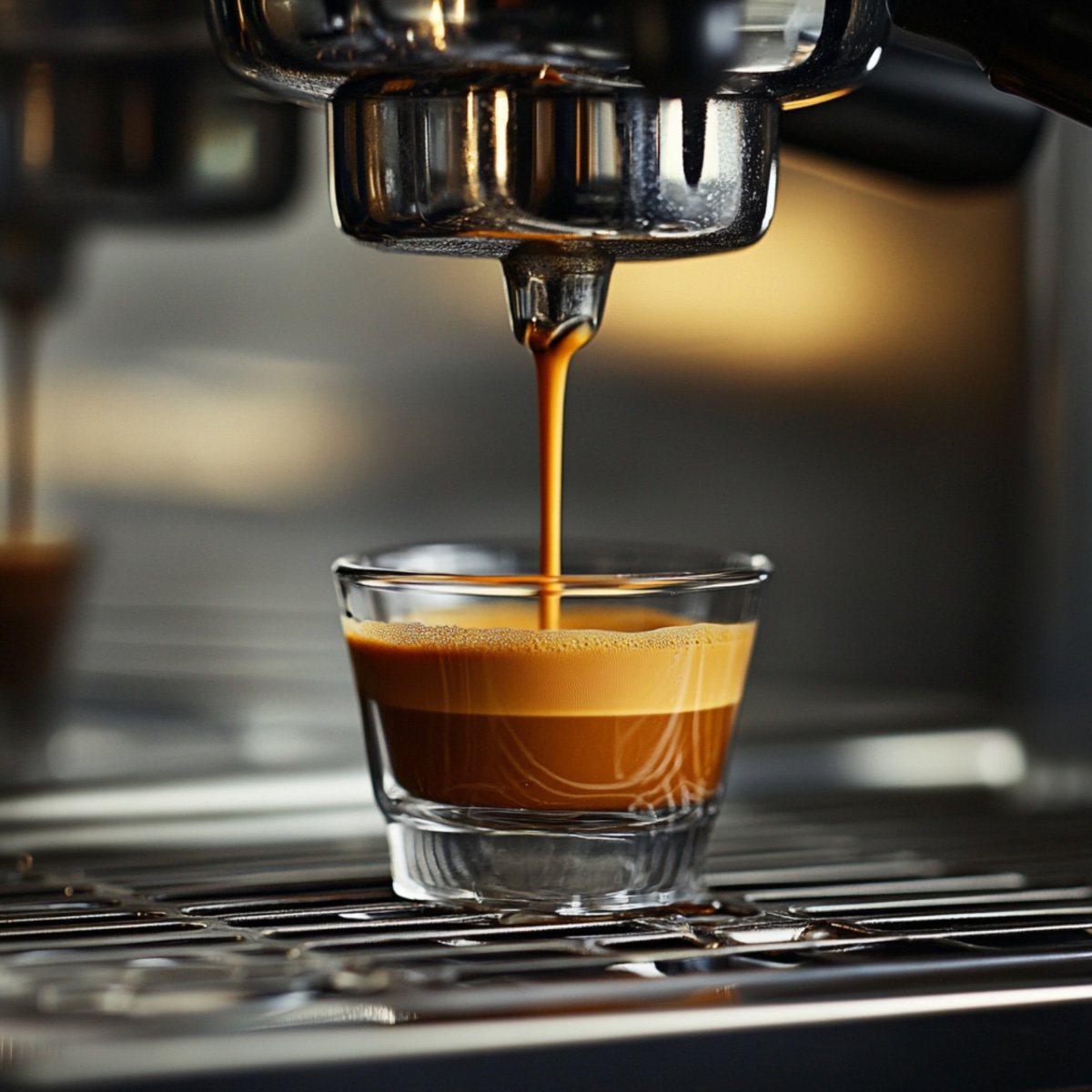
close-up-view-rich-aromatic-espresso-shot-being-brewed-coffee-machine

Is a $3,000 Espresso Maker Machine Worth It?

For many coffee enthusiasts, the decision to invest in a premium espresso maker machine is clouded by emotion and brand loyalty. A data-driven approach, however, reveals a surprising bottom line. Using the Giniloh Strategic Decision-Intelligence Engine, a detailed cost-per-use analysis of a $3,000 dual-boiler home espresso machine versus daily $6.00 café lattes yields a clear verdict: buy the machine—but only just. Over three years of five weekly drinks, the home setup costs $5.92 per use, saving a mere $60 compared to the café’s $4,680 total. Hidden expenses like beans, milk, descaling, and maintenance push the total cost of ownership to $4,620, making this a borderline decision. The real value emerges when weekly usage increases, tipping the scales toward significant long-term savings. Before you swipe your card, run your own numbers: the difference between a rational investment and a costly impulse is just one calculation away.

Read Article ->