
At a glance
- Nvidia denied its H100 and H200 chips are sold out, just one week after its chief executive said they were.
- Teams should size hardware by memory bandwidth rather than peak math speed, shrink models to use less space, and lock in pricing terms now.
The bottleneck moved one layer down the stack
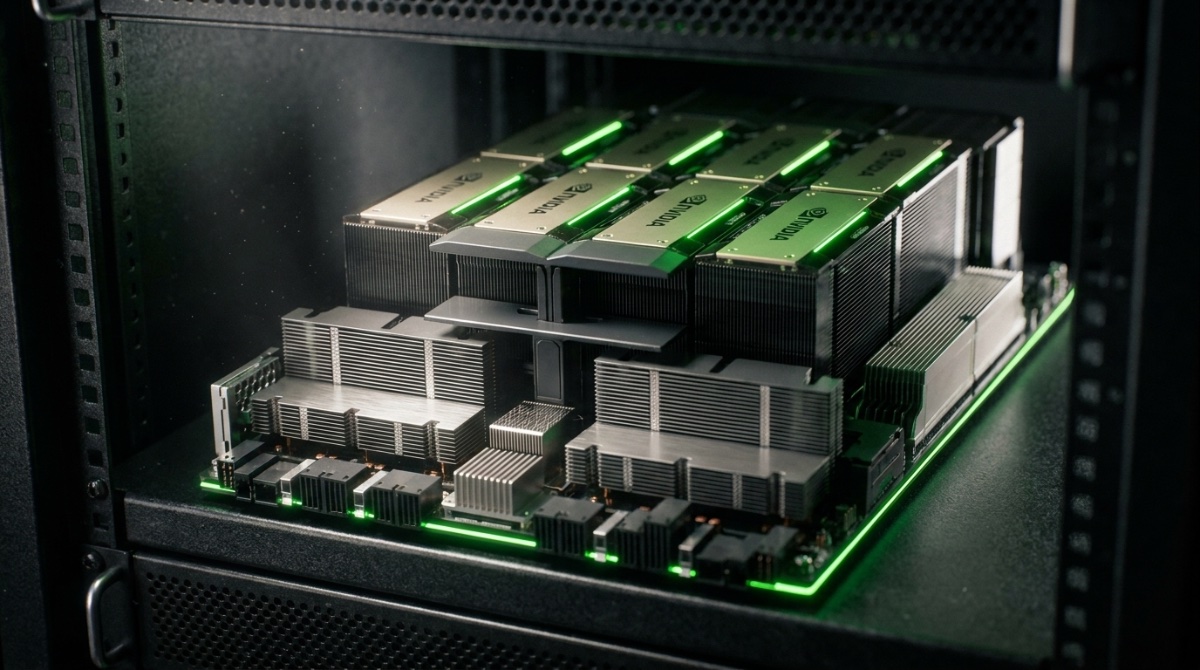
A week before the company officially denied a hardware shortage, Nvidia’s chief executive officer (CEO) told analysts the exact opposite. On the August 26 earnings call, Jensen Huang outlined customer demand and named the rumors directly. “The buzz is, everything is sold out. H100 sold out, H200s are sold out,” he said . He noted that large cloud providers are renting server space from each other. Meanwhile, artificial intelligence (AI) startups are scrambling for computing power.
Then, in early September, Nvidia’s official account walked those comments back. The company posted that it had seen wrong news claiming it lacked supply. “We have more than enough H100/H200 to satisfy every order without delay,” the statement read .
Both statements are true at the same time. The silicon chips exist. The scarce part is the memory bandwidth. This data speed turns a raw chip into a machine that can actually run a model. Nvidia’s finance chief made this clear on the same earnings call. She noted that supply “will remain a bottleneck, at least through the end of fiscal year 28.” She also pointed to “extreme pricing conditions in memory” .
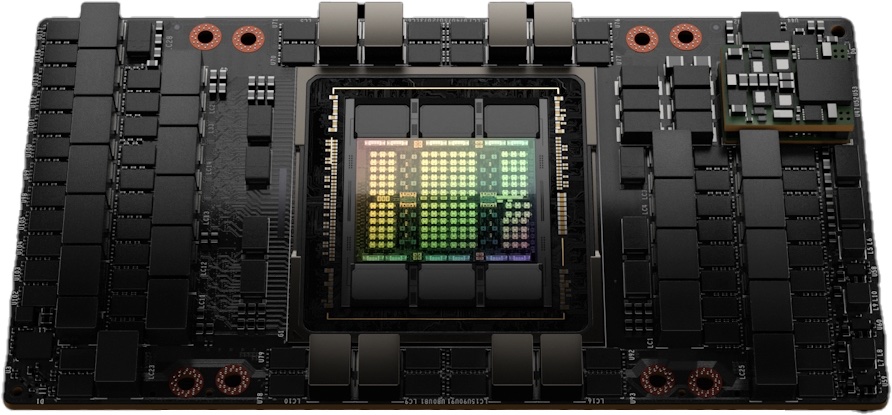
The quarter’s financials show why this physical limit matters. Nvidia reported $96.2 billion in sales, up 106 percent from a year ago . Customer demand is not the problem. The real choke point is high-bandwidth memory (HBM). This stacked dynamic random-access memory (DRAM) sits right next to the main computing chip and feeds it data. It has become the tightest part in the whole system. Its price rises every quarter.
“Raw floating-point operations per second (FLOPS) are cheap; memory bandwidth is the real gatekeeper.” — Founder Note
Every new chip Nvidia ships requires more stacked memory than the last version. This memory is exactly what Nvidia is now paying $279 billion to lock down years in advance . The world’s biggest buyer of computing hardware just turned its cash into a legal claim on memory that does not exist yet. The shortage has moved. The main chip is fine, but the memory the chip depends on is sold out.
What an infrastructure engineer does with this
The signal here is not to rush out and buy more hardware. The signal is that memory is the part of the system you must plan around. Raw computing power is not the main issue. Three practical moves follow.
First, stop sizing your hardware needs by peak math speed. Generating an answer one word at a time is bound by memory speed. Math speed does not limit this phase. Two chips with the exact same math speed can deliver wildly different results if one ships with slower memory. Ask vendors for the memory speed figure, measured in terabytes (TB) per second. Do this before you compare anything else.
Second, shrink your models to free up space. A process called quantization rounds down the numbers a model uses. This shrinks the software’s memory footprint. Running a smaller, shrunken model on hardware you already own is smart. It often beats renting a massive cloud model for most tasks. One software as a service (SaaS) team we work with cut its monthly hardware bill from $28,000 to $9,500. They moved away from standard tools to a memory-efficient setup. They used an 8-bit floating-point (FP8) format and virtual large language model (vLLM) software. The savings came entirely from using their existing memory better, rather than buying more chips.
Third, price the memory into your contracts. Nvidia’s finance chief warned that memory prices are heading higher into next year . You might be signing a multi-year deal for computing power. If so, the memory part is where the vendor will pass on their cost pressure. Lock in your speed-per-dollar terms now. Do not wait to pay next year’s open-market price.
The honest catch
Nvidia is telling the truth when it says the chips are not sold out. A denial about chip inventory can be entirely accurate. At the same time, the binding limit remains sold out for years. This detail gets lost in binary headlines about whether hardware is available or not. The company maintains deep ties with all three major memory makers. It does this precisely because it knows where the real limit lives.
The catch for buyers is that this physical limit will not resolve quickly. Nvidia expects the tightness to run “at least through the end of fiscal year 28” . That $279 billion bet is a multi-year reservation. It is not a quick fix for the next quarter. Anyone waiting for a return to cheap, abundant memory speed is waiting for factories that have not been built yet. The pragmatic move is to plan around the constraint. Shrink models, right-size hardware, and lock pricing terms. Do not bet on the market opening up soon.
References
[1] NVIDIA, “NVIDIA Announces Financial Results for Second Quarter Fiscal 2027” (Aug 26, 2026).
[2] NVIDIA, CFO Commentary — Q2 FY2027 (SEC Form 8-K, Aug 26, 2026).
[3] Colette Kress, NVIDIA Q2 FY2027 earnings call (Aug 26, 2026).
[4] Jensen Huang, NVIDIA Q2 FY2027 earnings call (Aug 26, 2026), quoted in Tom’s Hardware.
[5] NVIDIA, statement on X (early September 2026), via Investing.com/Yahoo Finance.