Key Takeaways
- Investing in a high-end espresso machine typically reaches a financial break-even point within two to three years for users who consume at least five café-style drinks per week.
- Prosumer-grade machines built with stainless steel and brass components offer a service life of up to ten years and retain significant resale value compared to entry-level appliances.
- Achieving professional-grade extraction requires a dual-boiler system for thermal stability and a high-quality burr grinder, which is just as critical to the final flavor as the machine itself.
- Total cost of ownership includes recurring annual expenses between $180 and$360 for specialty beans and essential maintenance supplies like descaling agents.
- The decision between manual and automatic systems involves a fundamental trade-off between the artisanal control of the brewing process and the convenience of automated efficiency.
Introduction: Could Your Next Espresso Machine Save You Thousands?
Some time ago, I experimented with a middle-ground solution by purchasing a Nespresso Vertuo machine. While it proved extremely convenient and required a significantly lower initial investment, I found that it didn’t quite match the quality of my local coffee shop. Personally, I still prefer the complexity of professional lattes and espresso, which led me to investigate the true value of a dedicated home espresso maker machine.
By the end of this article, you will learn how simple it is to use the Giniloh Decision-Intelligence Engine to help with purchasing decisions like buying an espresso maker machine or enjoy espressos and lattes in your local coffee shop.
Consumer spending on specialty coffee has undergone a significant shift as inflationary pressures and supply chain complexities impact retail pricing. The average price for a café latte in the United States has reached approximately representing substantial increase from the 3.97 average recorded in recent years . With coffee commodity prices rising by 23% over the last 36 months, the cumulative cost of daily retail consumption has prompted a notable migration toward home-based espresso solutions.
This transition has fueled a period of sustained growth in the home espresso equipment market. Consumers are increasingly seeking to mitigate long-term expenses through capital investment in brewing hardware. Market analysts suggest that this “at-home” movement is not merely a temporary reaction to inflation but a fundamental change in how households view luxury beverage consumption.
The initial barrier to entry remains high, but the long-term math is becoming harder for daily commuters to ignore. Industry reports indicate that the specialty coffee sector is grappling with a “perfect storm” of logistical challenges. From fluctuating bean yields in Brazil to the rising costs of aluminum and stainless steel used in machine manufacturing, every link in the chain is under pressure.
For the average consumer, these macro-economic factors manifest at the local coffee shop counter. As prices climb, the value proposition of a high-quality espresso maker machine in the kitchen becomes increasingly attractive. Furthermore, the “Third Wave” coffee movement has educated a generation of drinkers on the nuances of origin, roast profile, and extraction quality.
This heightened awareness has created a consumer base that is no longer satisfied with standard drip coffee. They demand the texture and intensity of a professional espresso, leading to a surge in demand for equipment that can replicate the café experience in a domestic setting. This shift represents a significant evolution in the appliance industry.
The Mechanics of Espresso Extraction
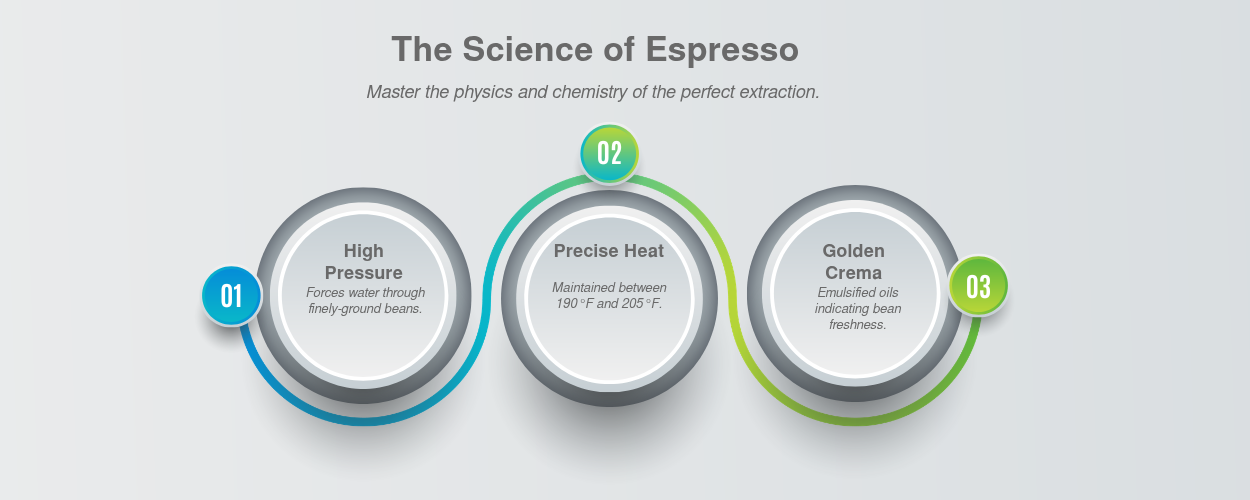
The technical definition of espresso is predicated on the application of pressure rather than simply the strength of the brew. An espresso machine functions by forcing water, heated to a precise temperature range, through a compacted puck of finely-ground coffee. This process requires a delicate balance of physics and chemistry to achieve the desired flavor profile.
Temperature and Pressure Standards
Most experts agree that the temperature must be maintained between 190°F and 205°F to avoid scorching or under-extracting the beans . The standard for modern extraction is approximately 9 bars of pressure. This specific pressure—equivalent to nine times the atmospheric pressure at sea level—facilitates the emulsification of coffee oils and the suspension of CO2.
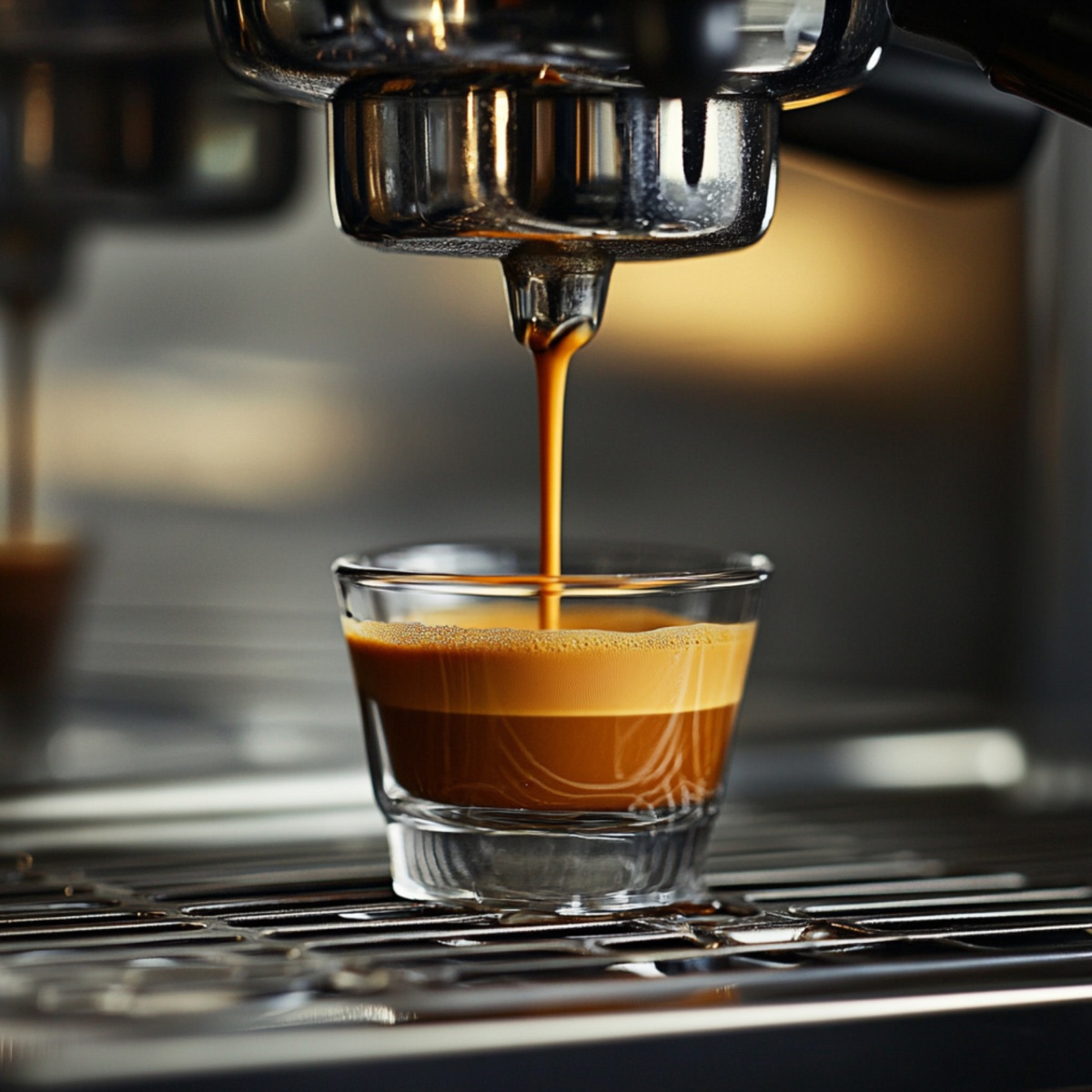
The result is the characteristic “crema,” a golden-brown foam that sits atop the liquid. This crema is more than just an aesthetic feature; it serves as a visual indicator of the freshness of the beans and the accuracy of the extraction process. Every espresso maker machine currently available is engineered to achieve this fundamental physical requirement.
Pump Technology and Consistency
The method by which machines achieve this pressure varies. While cheaper machines may use steam pressure or vibrating pumps, high-end models often utilize rotary pumps. These components provide a more stable and quieter pressure delivery, which is essential for consistent results across multiple shots. The “puck” of coffee also plays a critical role in the mechanics of the shot.
The Economics of the Home Espresso Transition
The decision to acquire a high-end espresso machine is often sparked by culinary interest, but the long-term financial implications offer a compelling case. For individuals purchasing a café latte at a retail price of $5.50 five times per week, annual expenditures on coffee exceed$1,400 . This figure does not account for tips, transportation costs, or the occasional impulse purchase of pastries.
This significant portion of discretionary spending represents capital that can be redirected toward high-quality home equipment. Market analysis suggests that a mid-range setup—typically a semi-automatic machine in the $500 to$800 bracket—can achieve a full return on investment in roughly three years . In scenarios where consumers transition from premium specialty cafes to high-frequency home brewing, some configurations reach the break-even point in as little as 24 months.
However, the viability of this economic model is strictly contingent upon consistent usage and the displacement of retail purchases. If the equipment is utilized only sporadically, the cost-per-cup remains high relative to the initial investment. The financial logic relies heavily on the volume of consumption; high-volume households see the fastest amortization of fixed costs.
Depreciation and Resale Value
Depreciation of espresso equipment varies significantly by brand and build quality. Prosumer-grade machines,
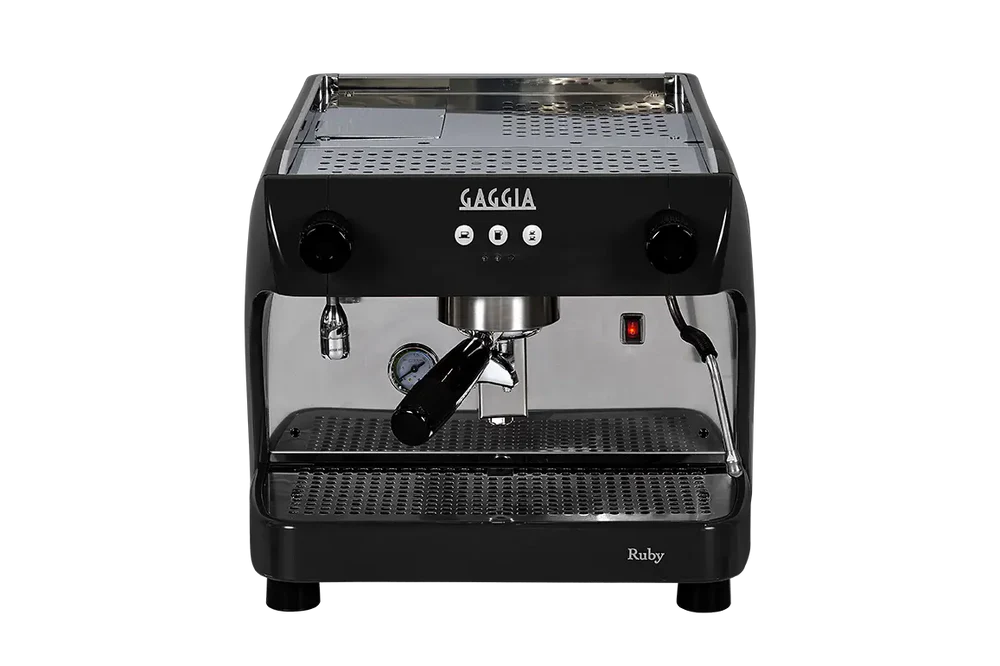
often constructed with heavy stainless steel frames and brass boilers, tend to retain a higher percentage of their resale value. This secondary market value can further offset the total cost of ownership for enthusiasts who eventually choose to upgrade their setup.
Brands like Rancilio, Gaggia, and Rocket often see robust demand on used markets, sometimes fetching 60% to 70% of their original retail price. This liquidity makes the initial “sticker shock” of a $1,500 machine more palatable for the financially conscious buyer. When viewed as a depreciating asset rather than a sunk cost, the high-end espresso machine becomes a strategic investment.
Operational Costs and Long-Term Maintenance
The initial purchase price represents only the first phase of the total investment. Ongoing operational expenses include the cost of raw materials and the specialized supplies required to maintain mechanical integrity. Specialty coffee beans typically cost between $0.20 and$0.40 per espresso shot .
Maintenance is a non-negotiable aspect of espresso machine ownership that directly impacts the longevity of the investment. Because these machines operate using high pressure and extreme heat, they are inherently susceptible to mineral buildup. Industry data indicates that a well-maintained machine can remain operational for 7 to 10 years.
Decoding Espresso Machine Types: Which Espresso Maker Machine Fits Your Style?
The Evolution of Domestic Espresso Technology
The landscape of home coffee preparation has undergone a significant transformation over the last two decades. What was once a market dominated by simple drip brewers has evolved into a sophisticated arena of high-end espresso technology. This shift is largely driven by a growing consumer demand for cafe-quality beverages within the domestic environment.
As the market has expanded, the equipment available to home users has branched into several distinct categories. Each is defined by the level of user intervention required and the complexity of the internal engineering. Selecting an espresso maker machine involves a calculated trade-off between the artisanal ritual of manual preparation and automated efficiency.
This choice is often dictated by a combination of the user’s technical proficiency and available morning time. The transition from commercial-only technology to kitchen-counter accessibility has redefined the “home barista” from a hobbyist to a skilled operator. Consumers are increasingly willing to invest more capital upfront to replicate the experience of a premium coffee shop.
Manual and Semi-Automatic Machines: The Professional Standard
For enthusiasts who prioritize precision in variables such as particle size and tamping pressure, manual and semi-automatic machines represent the pinnacle of home brewing. These devices provide the operator with comprehensive control over the extraction process. This effectively places the technical responsibility for the final cup profile on the user.
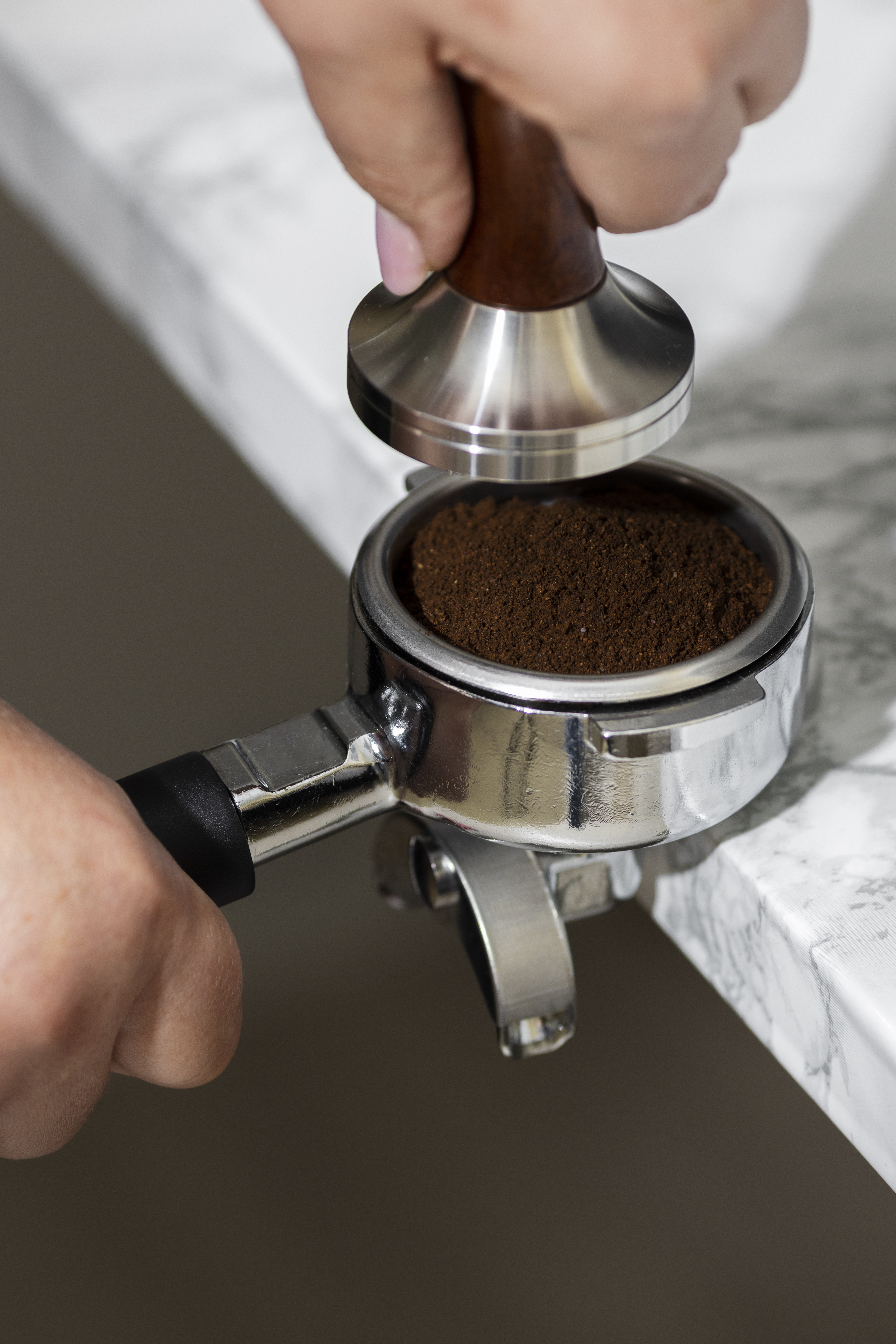
Unlike their automated counterparts, these machines require a foundational understanding of fluid dynamics and puck resistance. The learning curve is often steep, with industry professionals suggesting that achieving consistent results can require months of practice. The process is famously sensitive to even minor fluctuations in technique or environmental humidity.
Manual Lever Machines
Manual espresso makers, exemplified by the Flair series, operate on purely analog principles. These devices eschew electric pumps in favor of a mechanical lever system. In this configuration, the operator provides the necessary 9 bars of atmospheric pressure through physical force applied to a lever arm.
This manual approach allows for “pressure profiling,” a technique where the user varies the force applied throughout the shot. While these machines are lauded for their simplicity and tactile feedback, they are inherently finicky. Users must manage thermal stability manually, often through the meticulous pre-heating of heavy metal components.
Key Features That Separate Home Espresso from Café Quality
The Engineering Distinctions Between Consumer and Commercial Systems
For coffee enthusiasts, the transition from entry-level appliances to high-end “prosumer” equipment represents a significant shift. While a standard home espresso machine may aesthetically resemble its professional counterparts, the internal engineering determines the quality of extraction. Professional-grade machines are defined by their thermal mass, pressure stability, and component longevity.
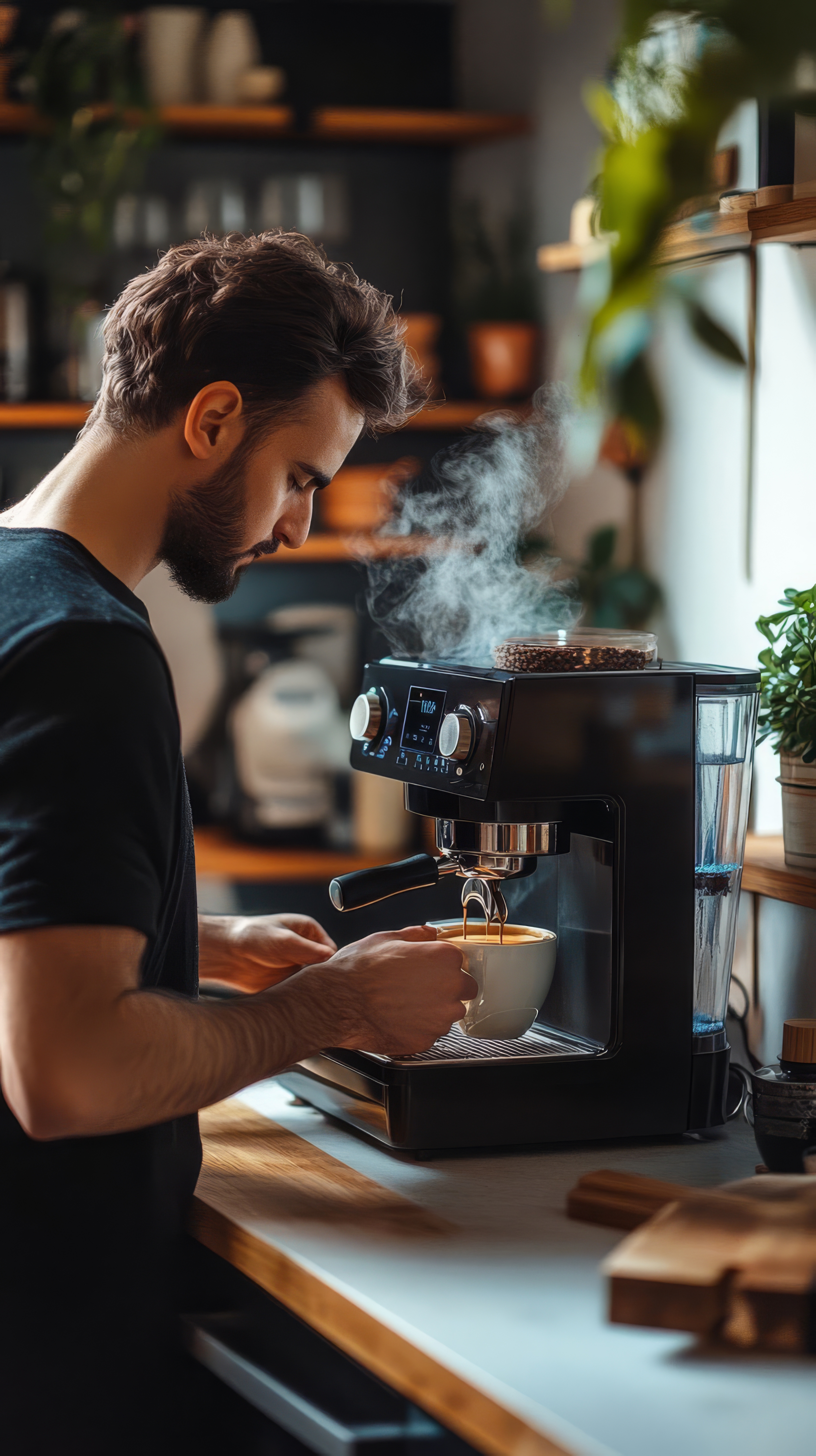
The rise of the “home barista” movement has blurred the traditional lines between the neighborhood cafe and the home kitchen. Industry manufacturers have responded by shrinking commercial technology into footprints suitable for a residential countertop. However, the fundamental physics of espresso extraction remain unchanged, requiring precise control over heat and pressure.
Industry analysts note that the market for high-end home equipment has expanded as consumers become more educated. This education often leads to a realization that “appliance” grade machines are designed for convenience rather than precision. A commercial-grade system is built to be repaired and maintained over decades rather than replaced when a plastic fitting fails.
Material Quality and Thermal Inertia
The engineering gap is most visible in the choice of materials. Consumer machines frequently rely on lightweight plastics and aluminum thermoblocks to keep costs low. In contrast, professional units utilize heavy-duty lead-free brass, copper, and 304-grade stainless steel. These materials provide the thermal inertia necessary to keep water temperatures stable.
The weight of these machines is a testament to their industrial build quality. A professional single-group machine can weigh between 30kg and 45kg (65 to 100 lbs). This mass prevents the machine from sliding across the counter when the portafilter is engaged. Every switch, lever, and dial is designed for tactile feedback and durability.
Thermal Management: The Role of Dual Boiler Systems
The primary hurdle in espresso preparation is the simultaneous need for two vastly different temperatures. Brewing requires water at approximately 93°C (200°F), while steam production requires temperatures closer to 125°C (257°F). Entry-level machines typically use a single boiler, forcing the user to wait between brewing and steaming.
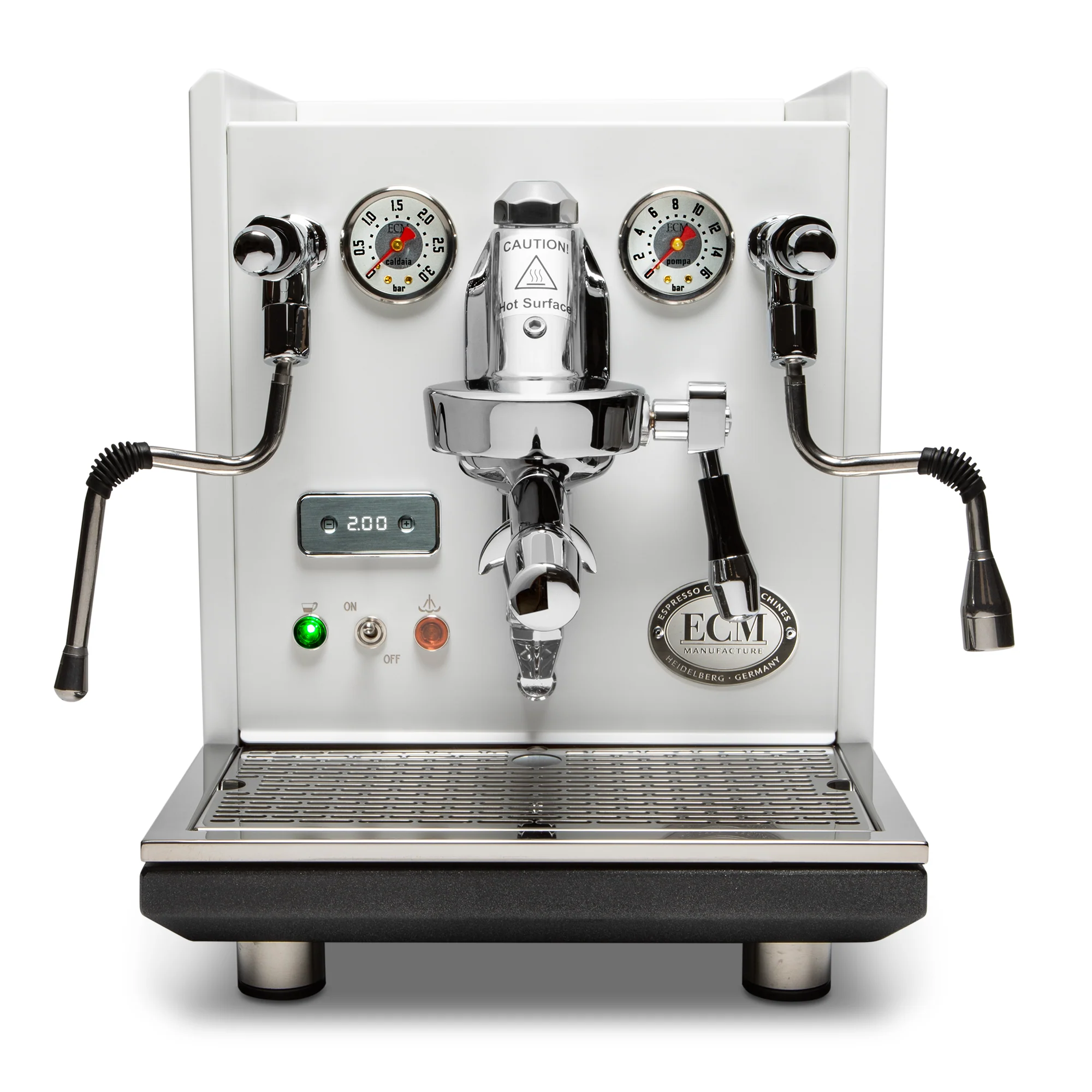
This latency often leads to a frustrating technique known as “temperature surfing.” Users must guess the internal temperature based on the machine’s heating lights to avoid scorching the coffee. In a busy morning routine, this lack of predictability makes it nearly impossible to replicate a successful shot consistently.
To solve this, professional and high-end prosumer machines utilize dual boiler systems. In this configuration, one boiler is dedicated solely to brewing, while a second is reserved for steam. This allows the barista to brew and steam at the same time without any loss in pressure or temperature. The separation ensures that the brew water remains at a rock-steady temperature.
Price Tiers and What You Get for Your Budget in an Espresso Maker Machine
The global market for espresso maker machines is currently defined by a stark divide in engineering philosophy. Prospective buyers often find themselves navigating a landscape that begins with $100 plastic appliances and ends with$7,000 “prosumer” units. Selecting the right equipment requires a technical understanding of how water, heat, and pressure interact.
Achieving cafe-quality espresso at home is a pursuit of consistency and precision. While a massive financial investment is not the only path, a machine’s mechanical limits inevitably dictate the ceiling of quality. The industry generally splits into three distinct tiers: entry-level, mid-range, and premium, each balancing trade-offs between convenience and durability.
Entry-Level Espresso Maker Machines ($100–$500)
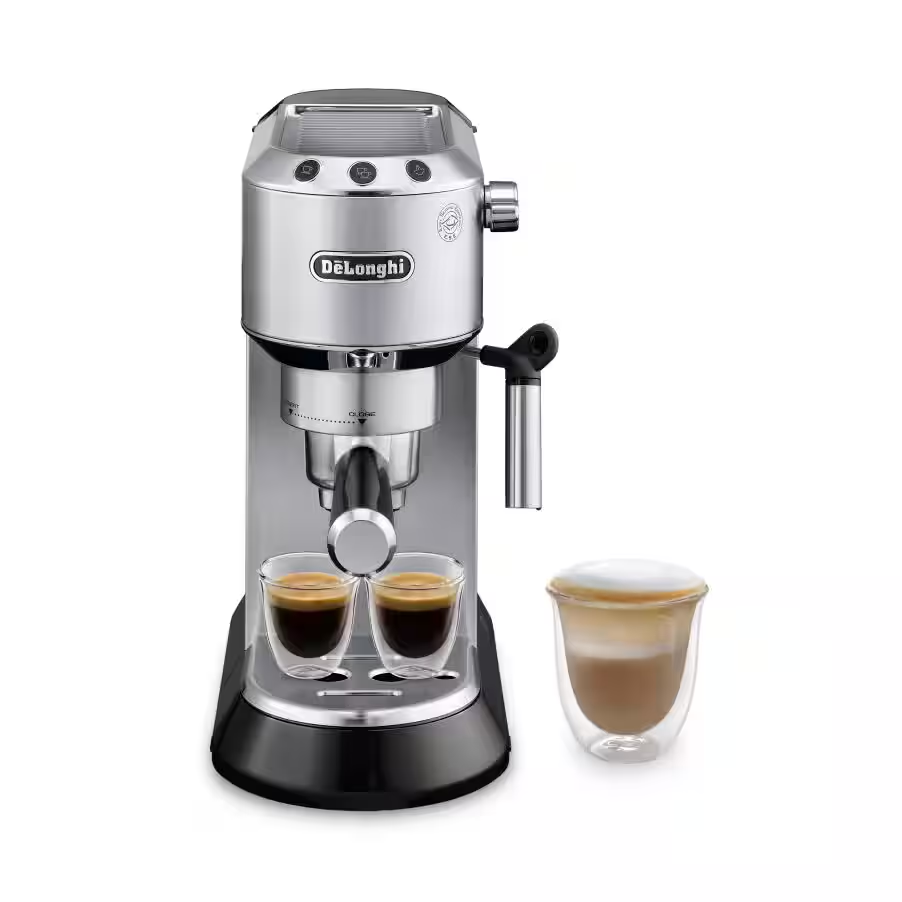
The entry-level segment serves as the primary gateway for those moving away from pod-based systems. High-volume models like the De’Longhi Stilosa and the Breville Bambino dominate this space. These machines prioritize a small footprint and immediate usability, often featuring simple button interfaces that require minimal training and many of them still look good.
Technical compromises are the standard at this price point to keep costs low. Most machines under $500 utilize pressurized portafilter baskets. These baskets use a double-wall design to create “artificial” backpressure. This mechanism ensures a layer of foam—often mistaken for true crema—regardless of how old the coffee is or how poorly it was ground.
Heating systems in this tier typically rely on thermoblocks. These are small blocks of aluminum that heat water on demand as it passes through. While they reach operating temperature in under a minute, they often struggle with “thermal mass.” This means the water temperature can fluctuate wildly during a 30-second shot .
The Hidden Costs of Home Espresso: Beans, Descaling, and Maintenance
The financial narrative surrounding home espresso ownership often focuses on the initial capital expenditure. However, the total cost of ownership (TCO) extends significantly beyond the retail price of the hardware. While a high-end machine may carry a high purchase price, industry data suggests this is only the baseline of a multi-year commitment.
Should you buy a $3,000 Espresso Maker Machine?
It is one of the classic personal finance debates: should you buy a high-end espresso machine for your kitchen or keep purchasing daily lattes at your local coffee shop? While standard budgeting templates simply compare the upfront cost of the machine to the price of a cup of coffee, they overlook recurring costs (like milk and beans), routine maintenance, and realistic usage habits.
Here is how to run the numbers using the Giniloh Strategic Decision-Intelligence Engine to see if buying a premium espresso setup makes mathematical sense over a 3-year horizon. You can adapt these numbers with your own, specially the number of uses per week if you don’t live alone as the person from the example.
* Dilemma: Investing in a $3,000 premium dual-boiler espresso setup versus spending $6.00 daily at local coffee shops.
How to Input the Parameters
Navigate to the interactive calculator on the site and follow these steps to load the scenario:
-
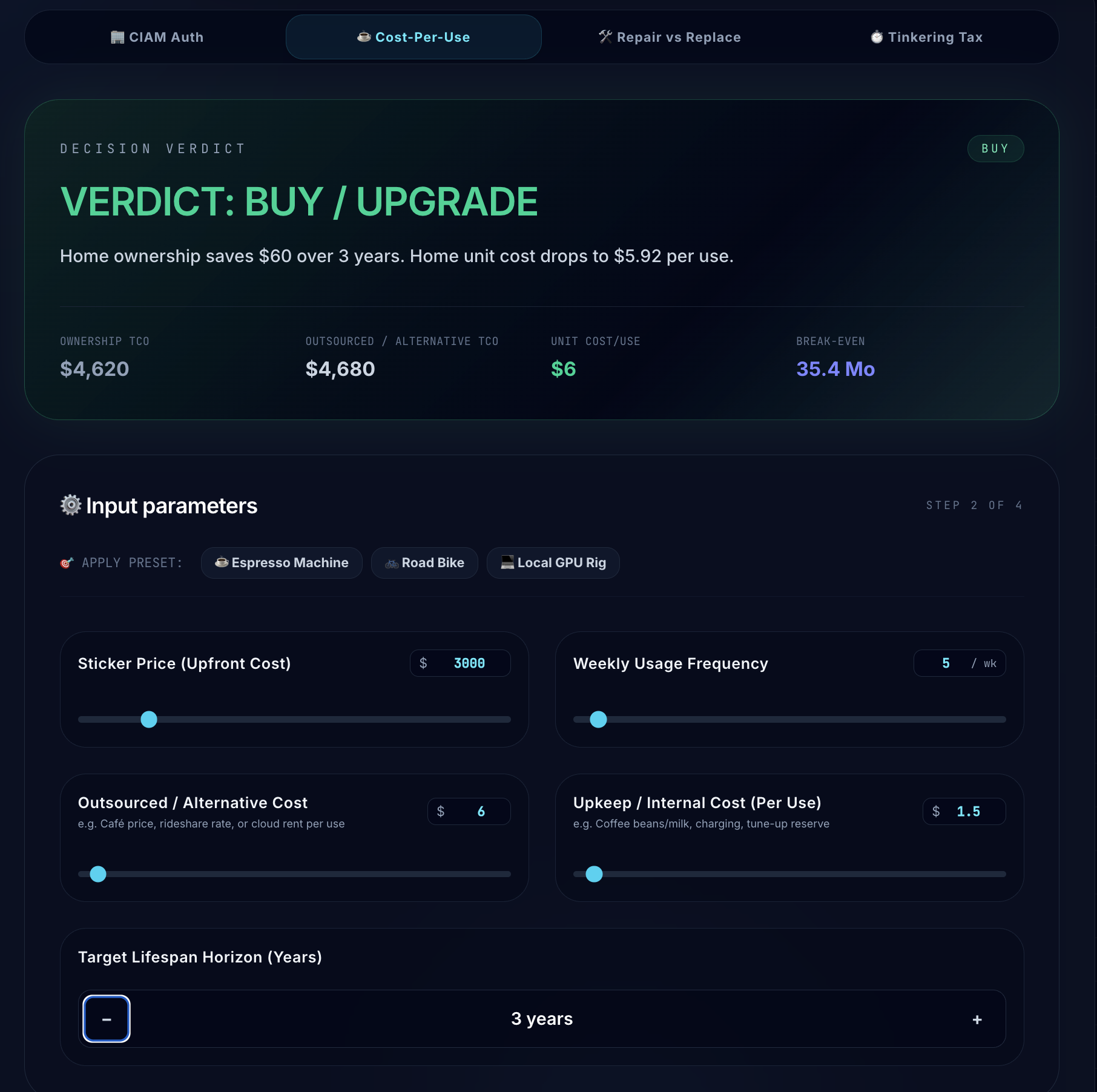
Select the Mode: Click the Cost-Per-Use tab at the top of the interface.
-
Upfront CapEx: Type
3000(or slide the bar) in the Sticker Price (Upfront Cost) field. This represents a premium dual-boiler espresso machine, grinder, and initial accessories. -
Usage Frequency: Set the Weekly Usage Frequency to
5times per week (simulating one home-brewed drink per work day). -
Alternative Cost: Set the Outsourced / Alternative Cost to
6.00to reflect the price of a local café drink. -
Operating Expenses: Set the Upkeep / Internal Cost (Per Use) to
1.50to account for coffee beans, fresh milk, water filters, and cleaning chemicals. -
Timeline: Adjust the Target Lifespan Horizon stepper to
3 years.
Financial Breakdown & Analysis
The engine translates these lifestyle habits into a comprehensive financial verdict by analyzing both visible cash flow and invisible lifecycle drag:
-
Outsourced Total Cost of Ownership (TCO): Over a 3-year timeline, making 5 café runs a week equals 780 total drinks. At $6.00 per latte, your total outsourced cost is $4,680.
-
Invisible Maintenance Drag: Unlike simple spreadsheets, the engine assumes a premium appliance requires an annual maintenance and repair budget equivalent to 5% of its sticker price ($150/year). Over 3 years, this totals $450 for descaling filters, replacement seals, and service.
-
Ownership TCO: Your true home-brewing cost is the sum of the upfront sticker price ($3,000), raw consumables ($1.50 per cup for 780 cups, totaling $1,170), and the 3-year maintenance budget ($450), which equals $4,620.
-
Amortized Unit Cost: Dividing the true home TCO ($4,620) by your total uses (780) yields your actual amortized cost of $5.92 per cup.
$$
\text{TCO}_{\text{outsource}} = U \times C_{\text{cafe}} = 780 \times \$6.00 = \$4,680
$$
$$
\text{TCO}_{\text{home}} = \text{CapEx} + (U \times C_{\text{ops}}) + (M \times Y) = \$3,000 + (780 \times \$1.50) + (\$150 \times 3) = \$4,620
$$
$$
\text{Unit Cost per Use} = \frac{\text{TCO}_{\text{home}}}{U} = \frac{\$4,620}{780} = \$5.92 \text{ per cup}
$$
The Verdict: A Borderline “BUY”
The engine outputs a VERDICT: BUY / UPGRADE, noting that ownership saves you a modest $60 over the course of three years. However, this is a classic “borderline” decision and your own case may vary depending on your expected use.
In this example, because your amortized unit cost ($5.92) is nearly identical to the café price ($6.00), the financial margin is incredibly slim. If your weekly usage drops even slightly—say, to 4 cups a week—the unit cost surges past the café price, rendering the purchase a financial loss. If you choose to buy, you are doing so for convenience, control, or hobby value, as the raw economic savings are negligible at this level of usage density.
FAQ
How long does it take to break even on a high-end espresso machine investment?
For regular café consumers, the break-even point typically occurs within two to three years. This timeline assumes a consumption rate of at least five drinks per week, displacing retail purchases.
What is the primary advantage of a dual boiler system?
A dual boiler system allows for simultaneous brewing and steaming by maintaining separate temperatures for each function. This eliminates the wait time found in single-boiler machines and ensures rock-steady temperature stability for the espresso shot.
Why is a high-quality burr grinder necessary for these machines?
A burr grinder is essential because it provides the precise, uniform particle size required to create proper resistance during extraction. Without a quality grinder, even a premium machine will struggle to produce a balanced and flavorful espresso.
What are the expected annual operating costs beyond the initial purchase?
Owners should budget between $370 and$650 annually for specialty beans, milk, and maintenance supplies like descaling agents. These recurring costs are necessary to maintain both beverage quality and the mechanical integrity of the machine.
How does the build quality of a prosumer machine compare to entry-level appliances?
Prosumer machines utilize heavy-duty materials like brass and stainless steel, which provide superior thermal mass and durability compared to the plastic and aluminum used in cheaper models. This industrial construction allows the machines to last seven to ten years with proper care.
Is a manual lever machine better than a semi-automatic model?
Manual lever machines offer the highest level of control through pressure profiling but require significant skill and physical effort. Semi-automatic machines are generally preferred by enthusiasts who want a balance of professional control and mechanical consistency.
References
[1] If you settle on a more expensive manual or semi-automatic machine that costs, say, $1200, it works.
[2] In contrast, brewing coffee at home could cost around $0.
[3] The Specialty Coffee Association.
[4] Traditional espresso machines have higher upfront costs but lower ongoing costs.
[5] ### **Types of Espresso Machines** When considering an investment in an espresso machine, it’s ess.
[6] ### 📊 Key Facts – **Fact:**Manual espresso machines require you to control every aspect of the bre.